

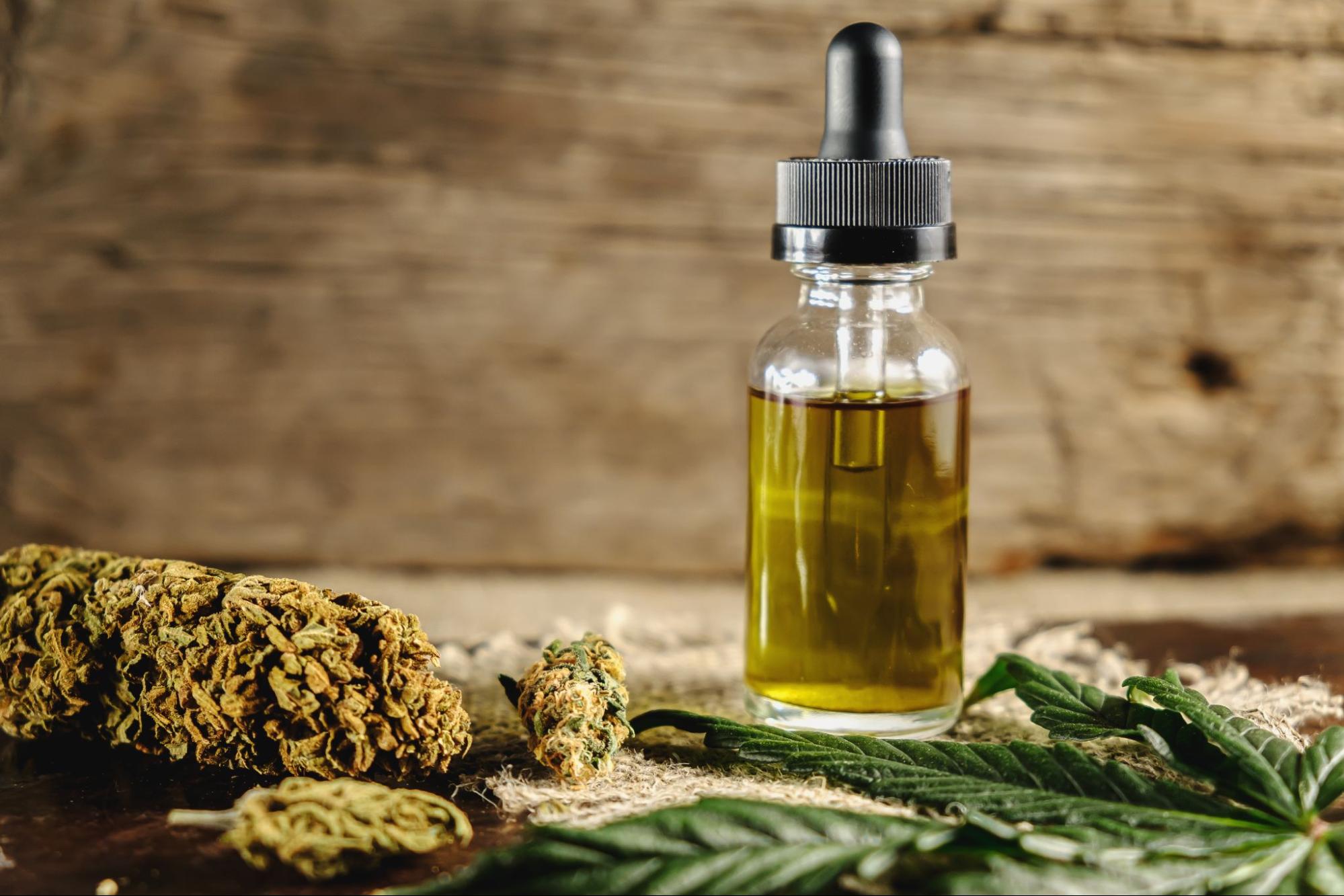
Terpenes are the secret behind the flavor and smell of cannabis, but they also play a crucial role in the feelings you experience when consuming cannabis products. While terpenes won’t make you feel high, it’s believed that they can affect your overall experience by creating a relaxing, energizing, or pain-relieving effect.
Learn about the common types of terpenes to choose the best strain for your needs.
If you're new to the world of cannabis, there’s so much to discover to get the most out of your experience. It can be a bit intimidating to talk about if you’re not familiar with all the cannabis terminology, but we’re here to clear some things up for you.
Between THC and cannabinoids, there are a lot of cannabis terms to know. You probably know the basics of cannabis, but have you heard of terpenes?
Terpenes, which can be considered the plant's essential oils, are responsible for the unique aroma and flavor profile of cannabis. Cannabis plants contain hundreds of terpenes, and each strain has its own distinct scent. But terpenes don’t just impact the aroma and flavor of cannabis – they can also influence your experience with a cannabis product.
So, what are terpenes, and how do they affect the cannabis experience? Keep reading to learn more about terpenes and the critical roles they play.
Terpenes are naturally occurring compounds found in the trichomes — the sticky glands on the surface of the buds, leaves, and stems — and can affect the plant's survival.
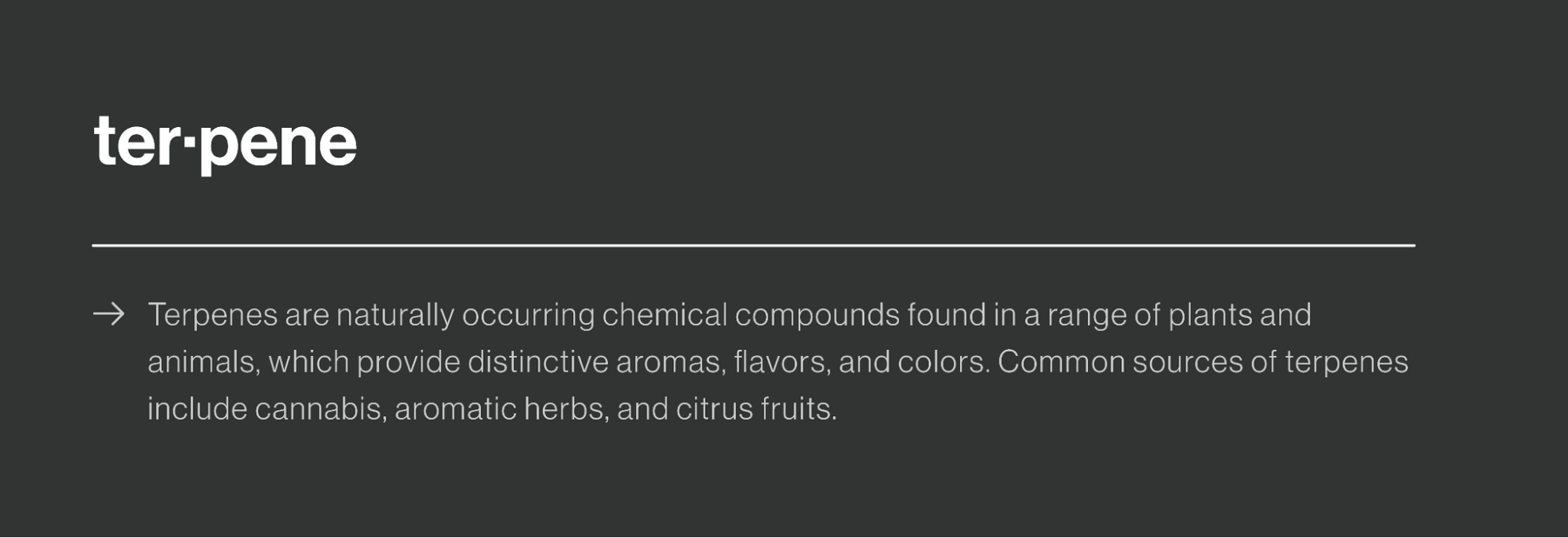
While they're responsible for the aroma, they also contribute to flavor, protecting the plant from predators by repelling certain insects and deterring various plant eaters. They also attract certain insects and creatures the same way flowers attract bees.
Cannabis plants have many terpenes, but some are more distinct than others. Additionally, terpene levels vary by the plant as a result of the environment, light exposure, temperature, nutrient availability, and other factors.
Historically, many terpenes were lost during the manufacturing process. However, modern techniques such as fresh frozen extractions allow for the preservation of more terpenes, resulting in the best possible experience.
Consumers can also help preserve the terpenes within their chosen products by limiting air, light, and high-temperature exposure after purchase.
The entourage effect refers to the way compounds in cannabis can work together to create a better experience. This synergy occurs when cannabinoids and terpenes are consumed together.
Emerging evidence suggests that full-spectrum cannabis may offer additional health benefits.
Everyone has an endocannabinoid system (ECS) that regulates and controls various bodily functions like learning, emotional processing, sleep, pain control, and inflammatory and immune responses.
Scientists have identified cannabinoid receptors in the brain and body that control neurotransmitter activity. These receptors regulate everything from hunger to temperature and the endocannabinoids our bodies produce activate those receptors.
Unlike THC, terpenes don't produce a psychoactive effect or bind to the cannabinoid receptors in your brain, so they won't make you feel “high.” However, they may impact your consumption experience by indirectly affecting the ECS or through other paths, which could have an energizing, calming, or analgesic effect.
It's hypothesized that a terpene profile can affect how cannabis interacts with someone’s body, which is why so many people report different experiences with different strains even though THC levels are the same. Researchers believe this synergistic effect can improve absorption while minimizing side effects to improve overall experience.
As interest in the use of terpenes within clinical settings grows, the door is open for continued research and understanding.

Rather than choosing cannabis products based on THC content alone, consider shopping by terpene profile. Here's a breakdown of the key terpenes and what they may offer:
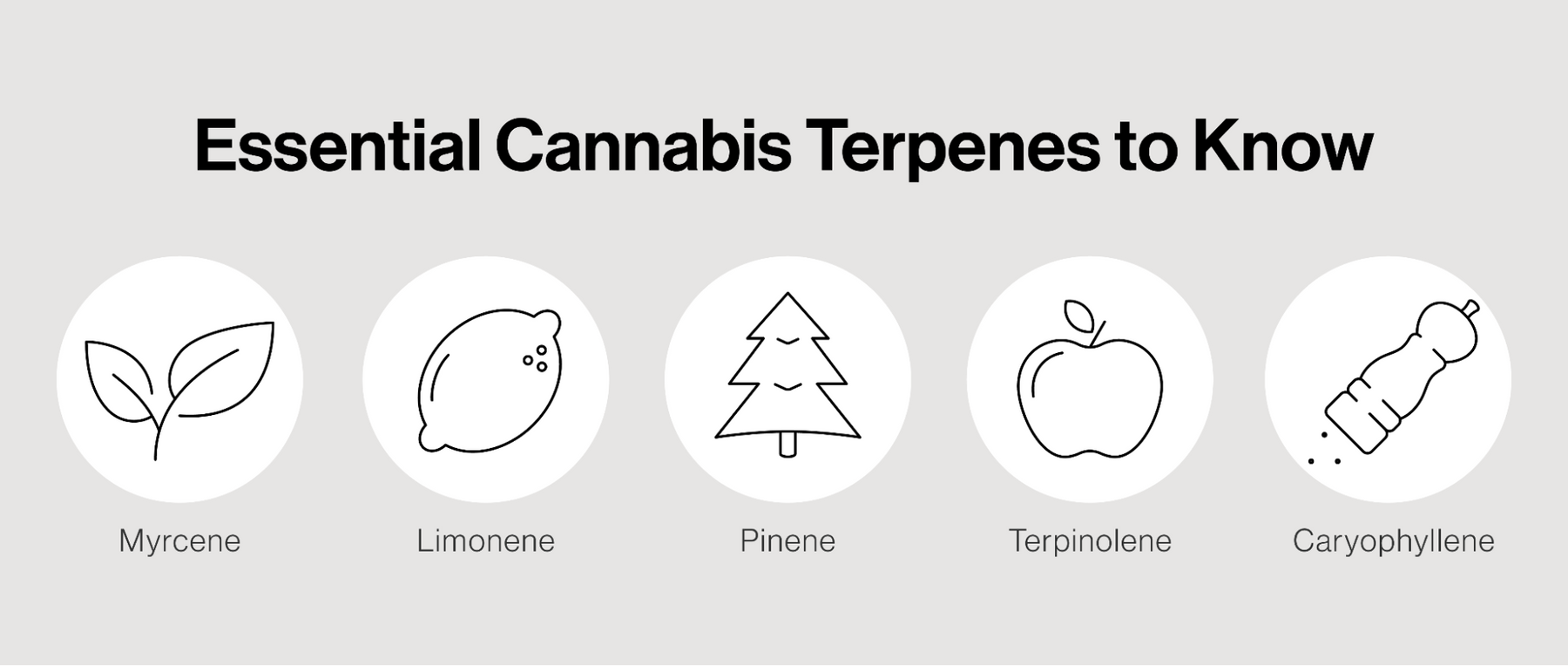
One of the most abundant terpenes in cannabis, myrcene is also found in mangos, lemongrass, and thyme. Used in folk medicine for thousands of years, it's associated with promoting sleep, reducing pain, and supporting relaxation. Preliminary studies point to potential anti-inflammatory effects, particularly for conditions like osteoarthritis.
Named for its vivid citrus aroma, limonene is one of the most prominent terpenes found across the plant kingdom. Studies suggest possible immune-supporting and anti-inflammatory properties. In cannabis, limonene is commonly associated with an uplifting, energizing experience — making it a go-to for daytime use.
Alpha-pinene is the most abundant terpene in nature, found in pine, basil, rosemary, and dill. In cannabis, pinene has been linked to anti-inflammatory and antibacterial effects, and delivers an uplifting sensation reminiscent of a walk through a pine forest. Found in strains like Blue Dream, Pineapple Express, and Blue Haze.
Also known as beta-caryophyllene, this terpene is unique in its ability to bind to CB2 cannabinoid receptors. Found in black pepper, cloves, and hops, it's associated with a calming, sedative effect and may even help temper an overly intense cannabis experience — chewing a peppercorn is a folk remedy for exactly that reason.
A rare and multi-dimensional terpene, terpinolene appears at lower levels in most cannabis strains but makes a distinct impression when present. Used in soaps and perfumes for its fresh, complex fragrance, it's associated with a soothing, stress-reducing effect. Found in strains like Jack Herer and Ghost Train Haze.
Linalool is the terpene behind lavender's instantly recognizable scent. Widely studied for its calming and anti-anxiety properties, linalool has long been used in aromatherapy and traditional medicine. In cannabis, it's associated with deeply relaxing effects and may have potential applications in reducing stress and supporting sleep.
Humulene gives beer its characteristic hoppy aroma — it's the same terpene found in hops, sage, and ginseng. In cannabis, it contributes earthy, woody depth to the flavor profile. Research suggests potential anti-inflammatory and appetite-suppressing properties, distinguishing it from many other cannabis terpenes.
Humulene gives beer its characteristic hoppy aroma — it's the same terpene found in hops, sage, and ginseng. In cannabis, it contributes earthy, woody depth to the flavor profile. Research suggests potential anti-inflammatory and appetite-suppressing properties, distinguishing it from many other cannabis terpenes.
Also called cineole, eucalyptol is the primary compound in eucalyptus oil and is widely used in mouthwashes, cough suppressants, and topical pain relievers. In cannabis it's a minor but distinctive terpene, studied for potential anti-inflammatory and cognitive benefits. It imparts a cool, clarifying note to any strain where it's present.
Sabinene is responsible for much of the spicy complexity in black pepper, nutmeg, and carrot seed. It gives some cannabis strains a distinctly peppery, layered quality. Early research points to potential antioxidant and anti-inflammatory properties, and it may contribute to the overall entourage effect.
Phytol is produced during the breakdown of chlorophyll and is found in green tea and a variety of plants. It contributes soft, grassy-floral notes and has been studied for its potential sedative and anti-anxiety effects. In cannabis, phytol is a minor terpene that may support relaxation as part of the broader entourage effect.
There are many ways to enjoy terpenes in cannabis, such as smoking in a joint or water pipe, dabbing, vaping, using them as topicals, and eating them in edibles. How you enjoy terpenes is a matter of personal preference. However, some methods are better than others.
Wondering how to make the most out of terpenes?
Choose strains based on terpene profile, store your products properly, and use the best delivery method.
Many people choose cannabis products based on THC content rather than terpene profile. However, terpenes directly affect strain, so you should consider the type of effect you're looking for.
For example, if you want a calming effect, choose a strain with Caryphyllene or Terpinolene. But if you want an uplifting or energizing experience, Limonene is a better choice.
As we've mentioned, there are many ways to consume cannabis. However, terpenes are fragile and easily destroyed through heat. Combustion in the form of smoking a joint can also instantly destroy terpenes.
On the other hand, vaporization doesn't combust or destroy terpenes. Instead, it uses precise heating to preserve the terpenes. So, vaporizers of all types, including vape pens and e-rigs, are generally better alternatives to joints because they don't destroy the volatile compounds in cannabis that can contribute to the entourage effect.
In addition to how you consume terpenes, you should consider how you store your cannabis products. Plastic can degrade terpenes and cannabinoids, so many producers use glass to seal their products. You should also keep your products in air-tight containers to prevent deterioration.
Apart from smoking flower, there are several other ways to experience terpenes, including concentrates, edibles, and topicals.
Concentrates are easily consumed via vape pen or e-rig, and edibles are available in both food and drink form.
As terpenes are essential oils, you may also benefit from using them in topicals. Note that very few cannabinoids and terpenes can absorb into the bloodstream topically, which is why they may provide only localized effects.
Terpenes are an essential aspect of the cannabis experience and are responsible for its distinct aroma, flavor, and even the overall feelings produced. Different terpenes can have different effects, so depending on whether you want to be relaxed or uplifted, you can find a strain with the terpenes that fit your desired mood.
Whether you want to smoke a vape or take an edible, there are various ways to enjoy your cannabis experience and see all that terpenes have to offer.
Are you ready to check out terpenes? Check out our collection of dab rigs and vaporizers to take your cannabis experience to the next level.
